Launching 2027
Comfort that keeps up with the adventure.
Swim-to-everything shorts for children who don't stop. One soft layer, with nothing inside to rub.
Be told when they're ready
We'll write when there's something worth saying — the first samples, the prints, the launch. Not more than that.
Why we're making them
Some parents cut the lining out.
Most children's swim shorts have a mesh liner sewn inside. It's the part that rubs. It traps sand, it drags on wet skin, and it's the reason a lot of children won't keep their shorts on past lunchtime.
There are guides online teaching parents how to cut it out. That's not a gap in the market so much as a queue of people already solving the problem themselves.
"He has chafing issues in most clothes, but swim trunks are the worst culprit." A parent, in a public review of a children's swim short
So we're not putting one in. The comfort comes from the absence of a liner, a close cut and flat seams — not from added length. A loose short slides against skin; a fitted single layer moves with the leg.
Why swim shorts have mesh liners — where they came from, why they cause trouble, and what to look for instead. Useful whoever you buy from.
What we're making
Two panels, an elastic waistband, two hems.
That's the whole garment. It's a deliberately simple thing to make, and every part we've left out is a part that could rub.
- Layers
- One. No liner, no mesh, no gusset.
- Cut
- Close-fitting short boxer length, from a garment we measured rather than guessed at.
- Waist
- 25 mm enclosed elastic. No drawcord — nothing to catch or knot.
- Sizes
- 2–4 through 11–12, five sizes.
- Fabric
- Recycled polyester and elastane. We're specifying certified recycled content and asking every factory for the chain-of-custody paperwork to prove it.
We're in sampling now. There are no photographs on this page because the garment doesn't exist yet, and we'd rather show you the real thing than a render.
The prints
Eight drawn. Four will make it.
Children choose swimwear by the print — every parent knows this and most brands design as though they don't. These are what we're choosing between. The people on the list get the vote.
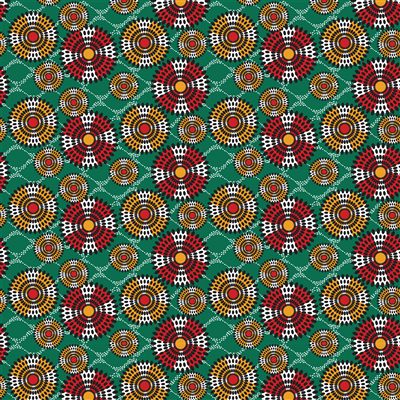

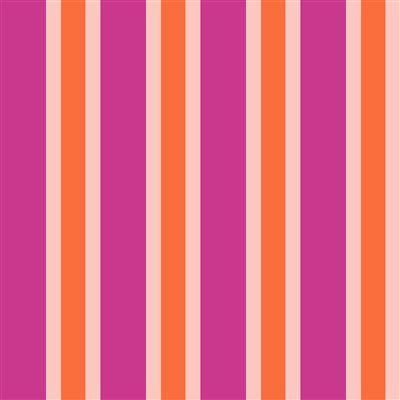


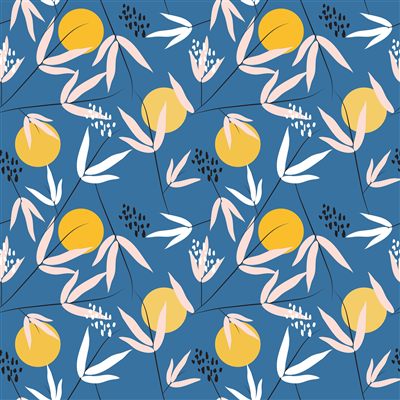
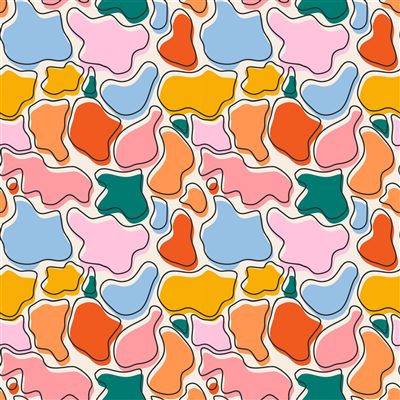

Shown flat, at roughly the scale they'd print. Two of these we drew ourselves.
Something we found
You can't see blue swimwear under water.
While choosing prints, we modelled how each one would look on a child a metre or two down — in a pool, and in British open water. The differences were larger than we expected, and they run counter to what most children's swimwear is actually made in.
Saturated pink and orange stay legible. Pale creams read as sunlight and foam. Blue — the single most common colour in children's swimwear — is close to invisible, because it is the colour of the water it's in.
Swimwear colour is not a safety device. It doesn't prevent drowning and it doesn't replace supervision. What a high-visibility colour does is shorten the time it takes an adult who is already looking to find a child under the surface.
Read the full findings — what we tested, what we found, and how to judge any swimsuit you already own.
Join the list
We're a long way from launch and we'd rather build this in the open. If you've cut a liner out yourself, we'd genuinely like to hear about it.
No more than one email a month, and you can leave whenever you like.